
New
Robbing Season
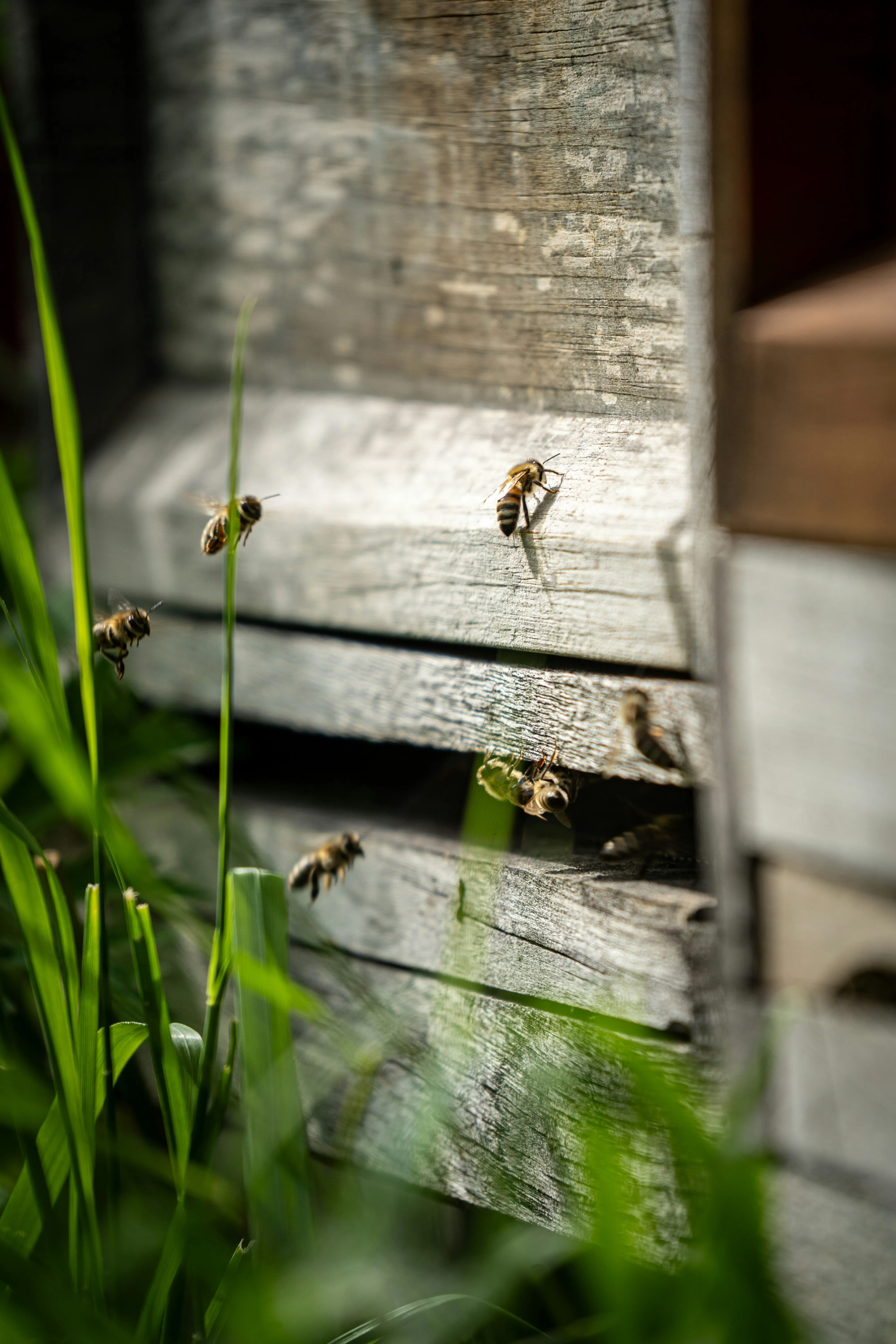
When the nectar dries up in late summer, desperate colonies raid their neighbors. The violence is startling and instructive.
- dearth
- management
- summer
- behavior
Notes from the hives, fields, and seasons of Loudoun County.
When the nectar dries up in late summer, desperate colonies raid their neighbors. The violence is startling and instructive.
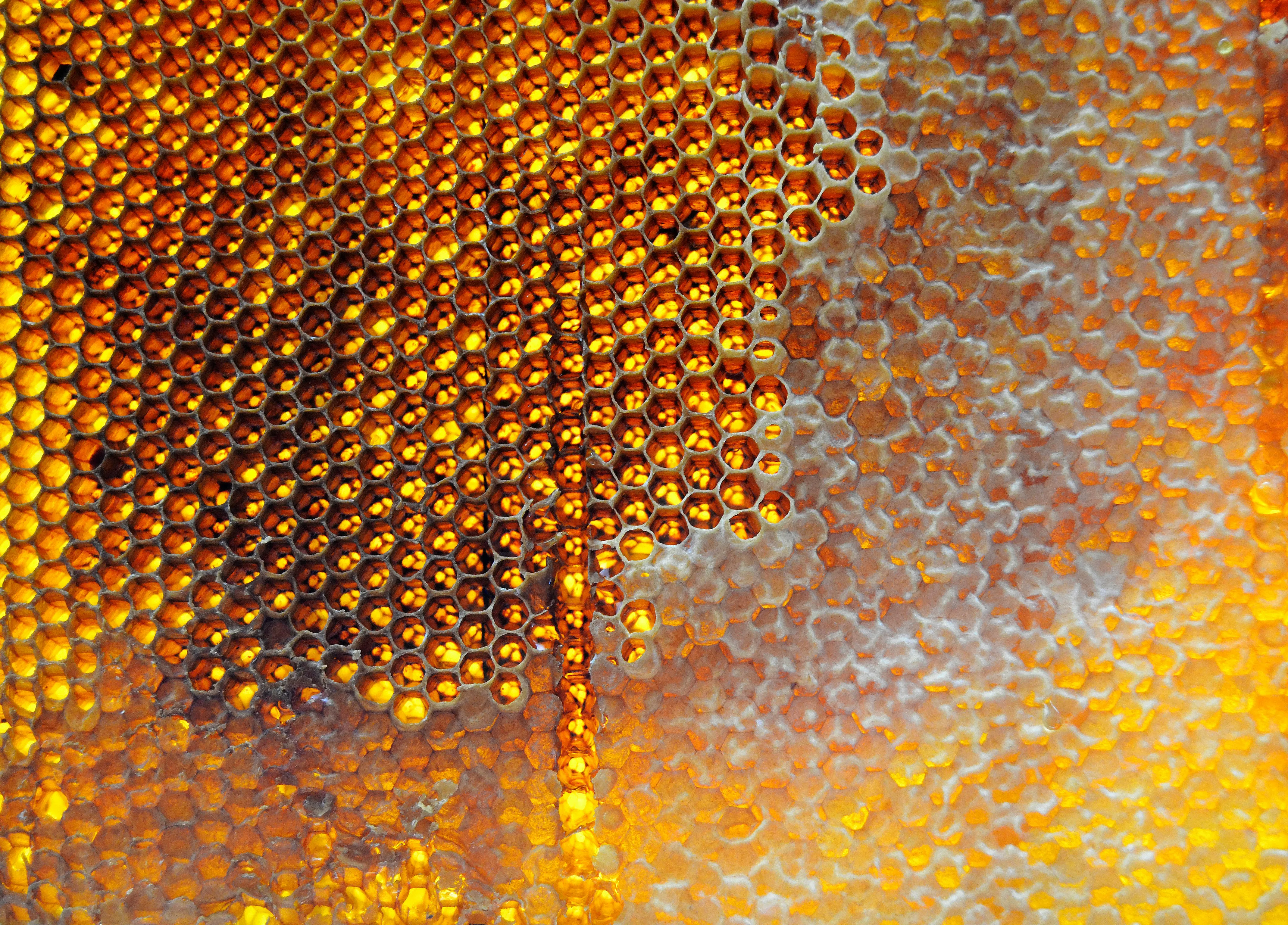
Crystallized honey hasn't gone bad. The chemistry behind it is actually proof that your honey is real.
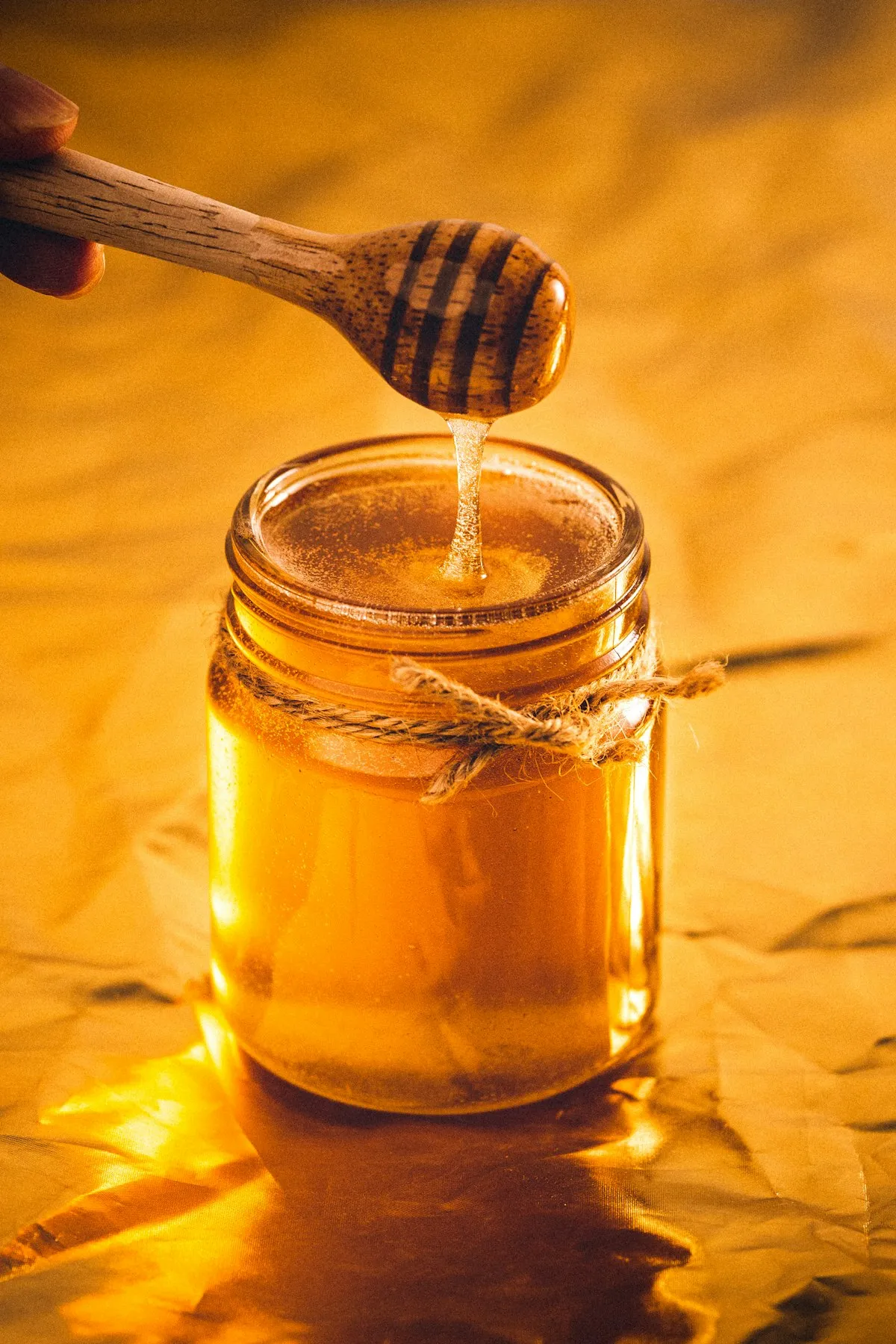
Each jar of honey contains a microscopic record of what bloomed nearby. Pollen analysis can read it like a map.
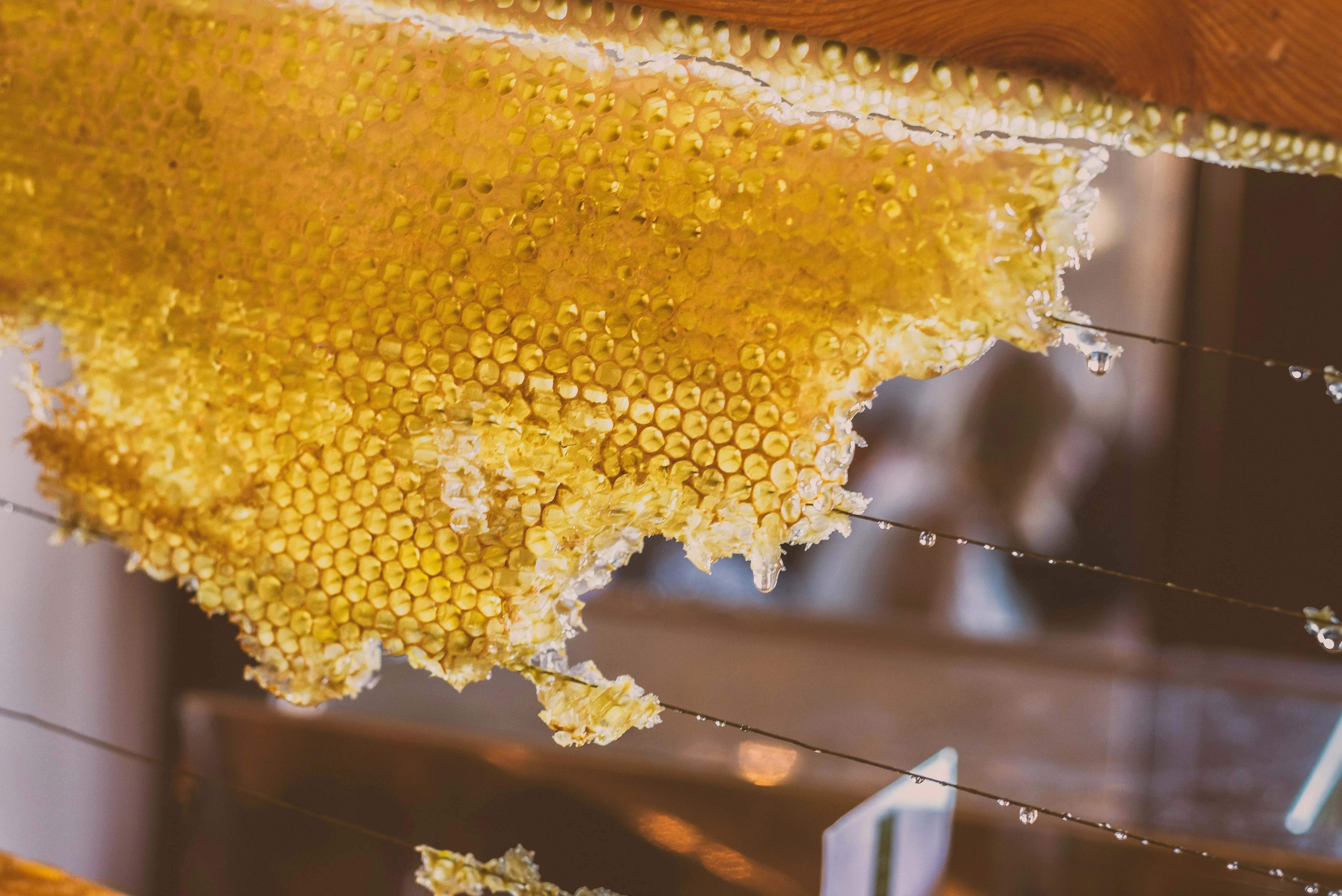
For two weeks after extraction day, the house smells like warm beeswax and honey. A story told through one sense.
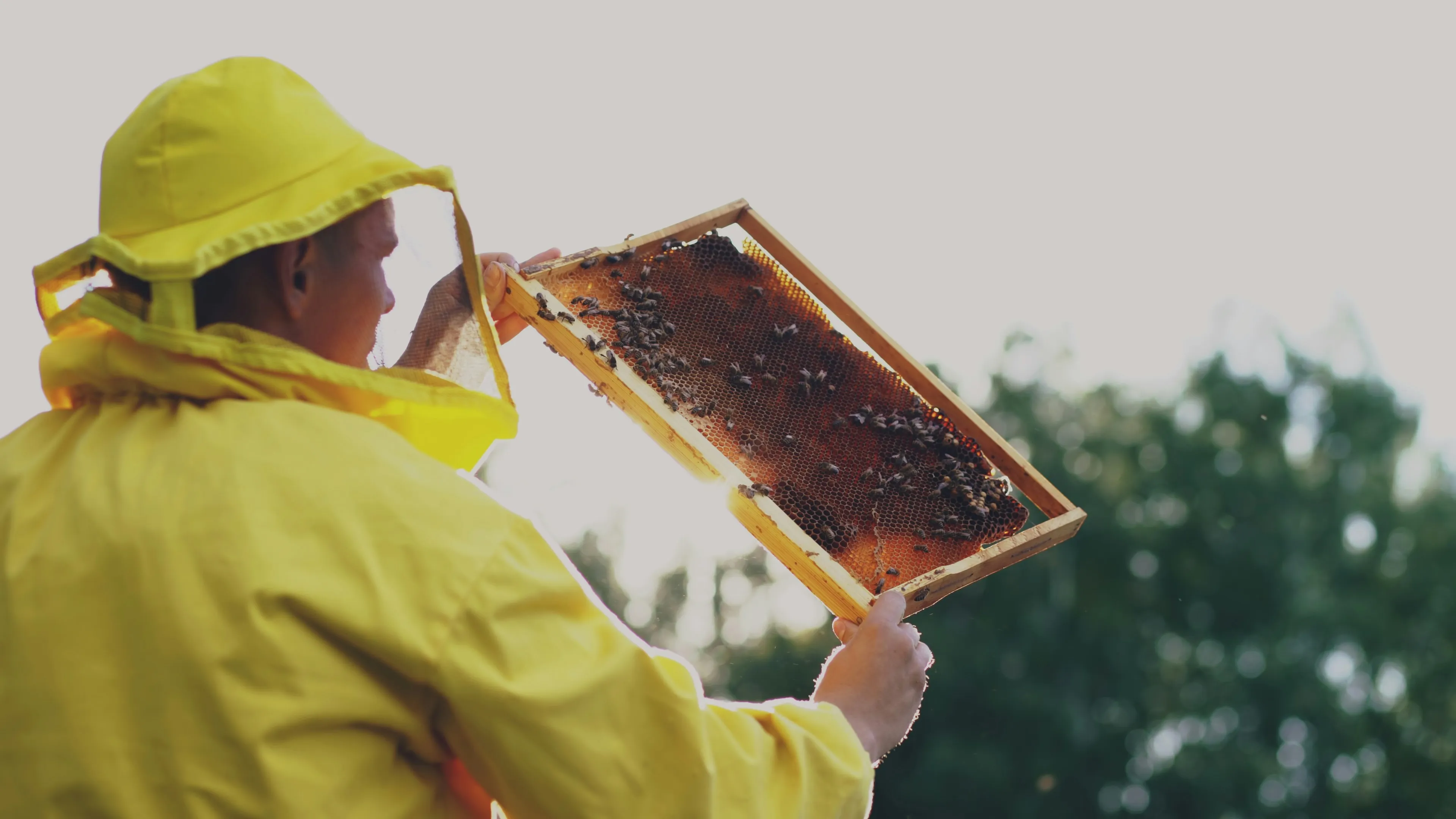
What honey extraction actually looks like at a six-hive operation outside Leesburg — every step, from pulling supers to filling jars.
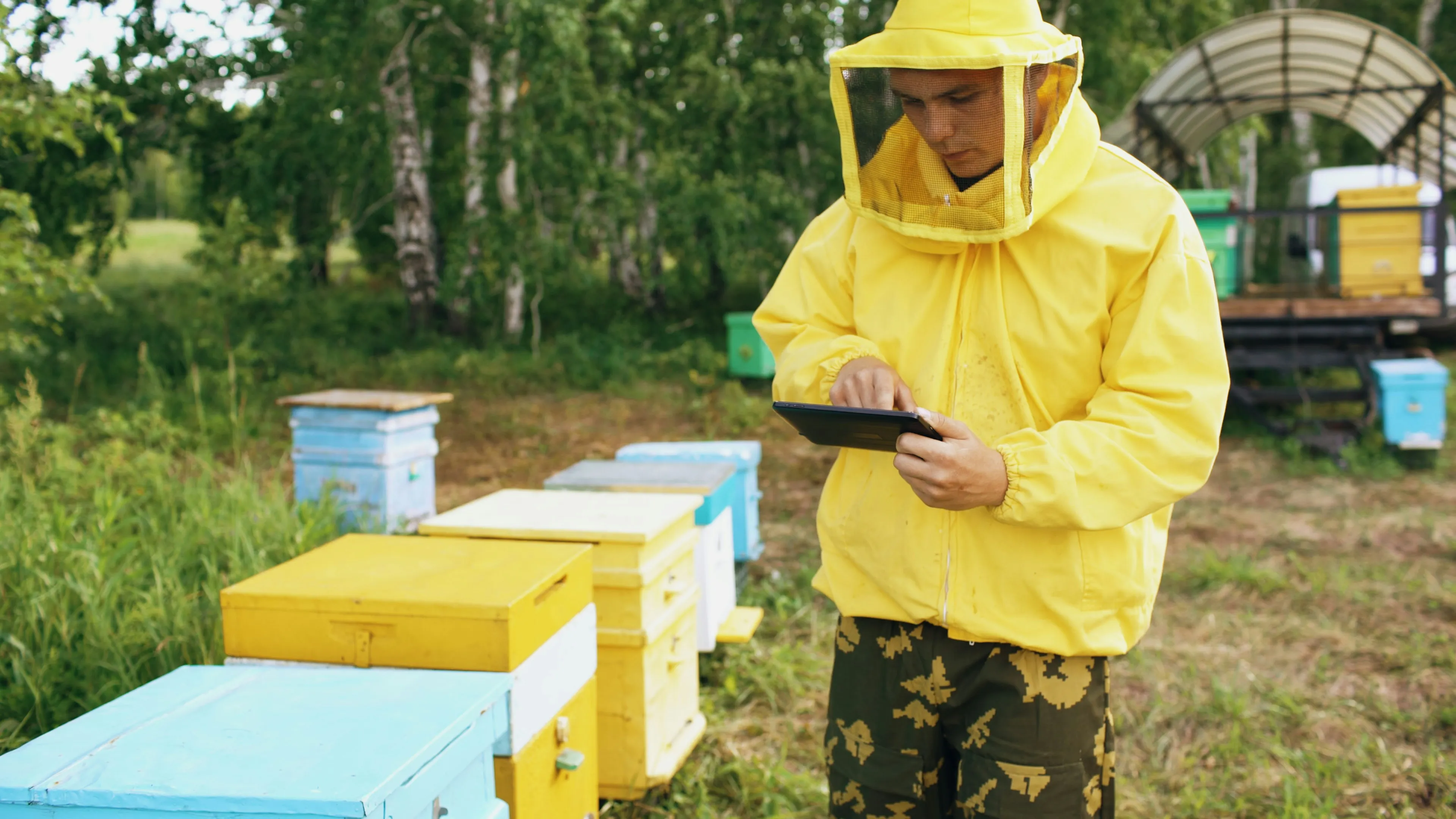
We put a digital scale under one hive and logged weight every fifteen minutes. The numbers told stories we did not expect.

Beekeeping is a haptic craft. The knowledge that matters most — frame weight, smoker rhythm, propolis texture — lives in the hands, not the head.

Most of what a colony does happens after dark. We walked out to the apiary at ten o'clock to listen.
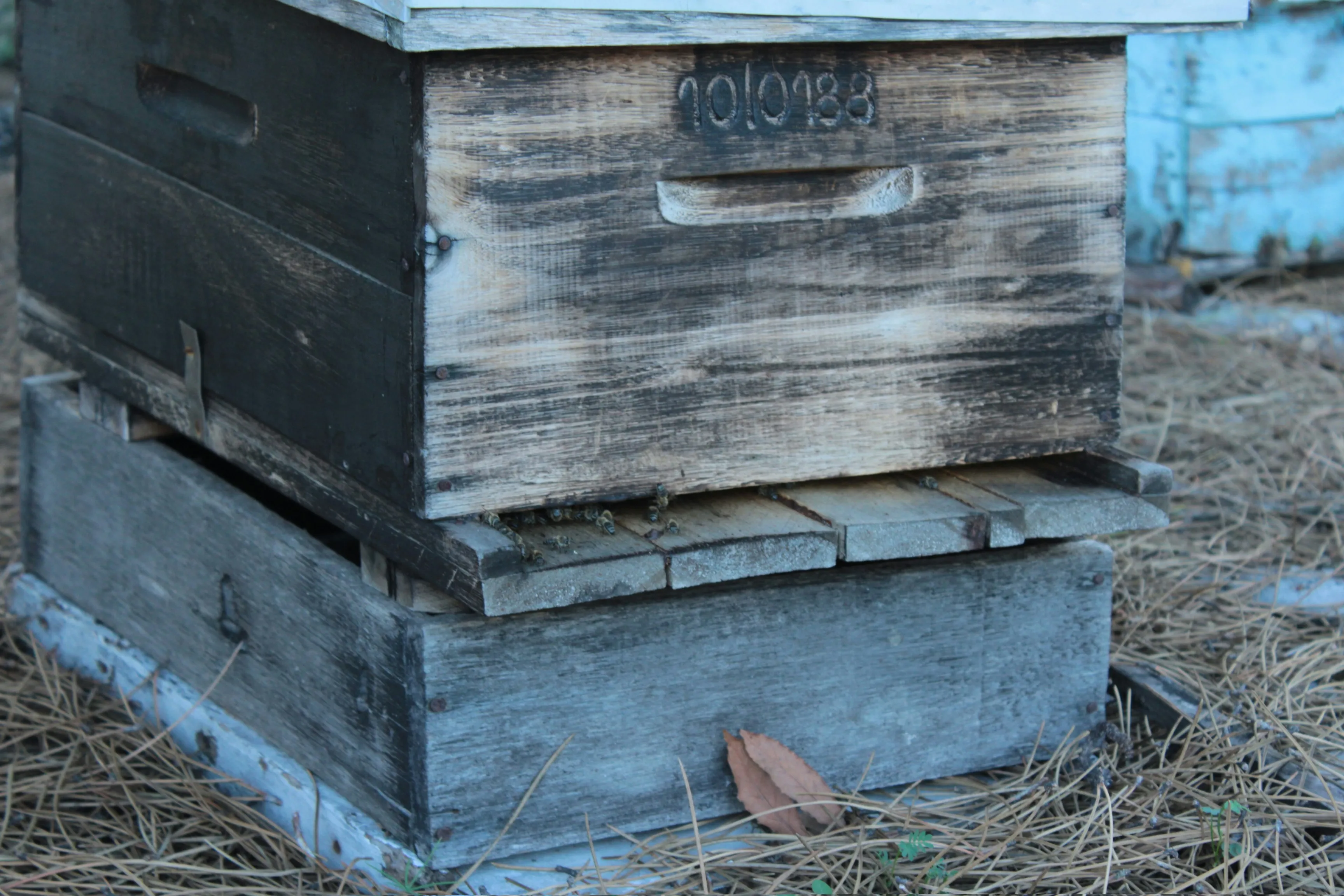
Tree resins, bee enzymes, and an antimicrobial envelope most beekeepers scrape away. We stopped scraping.
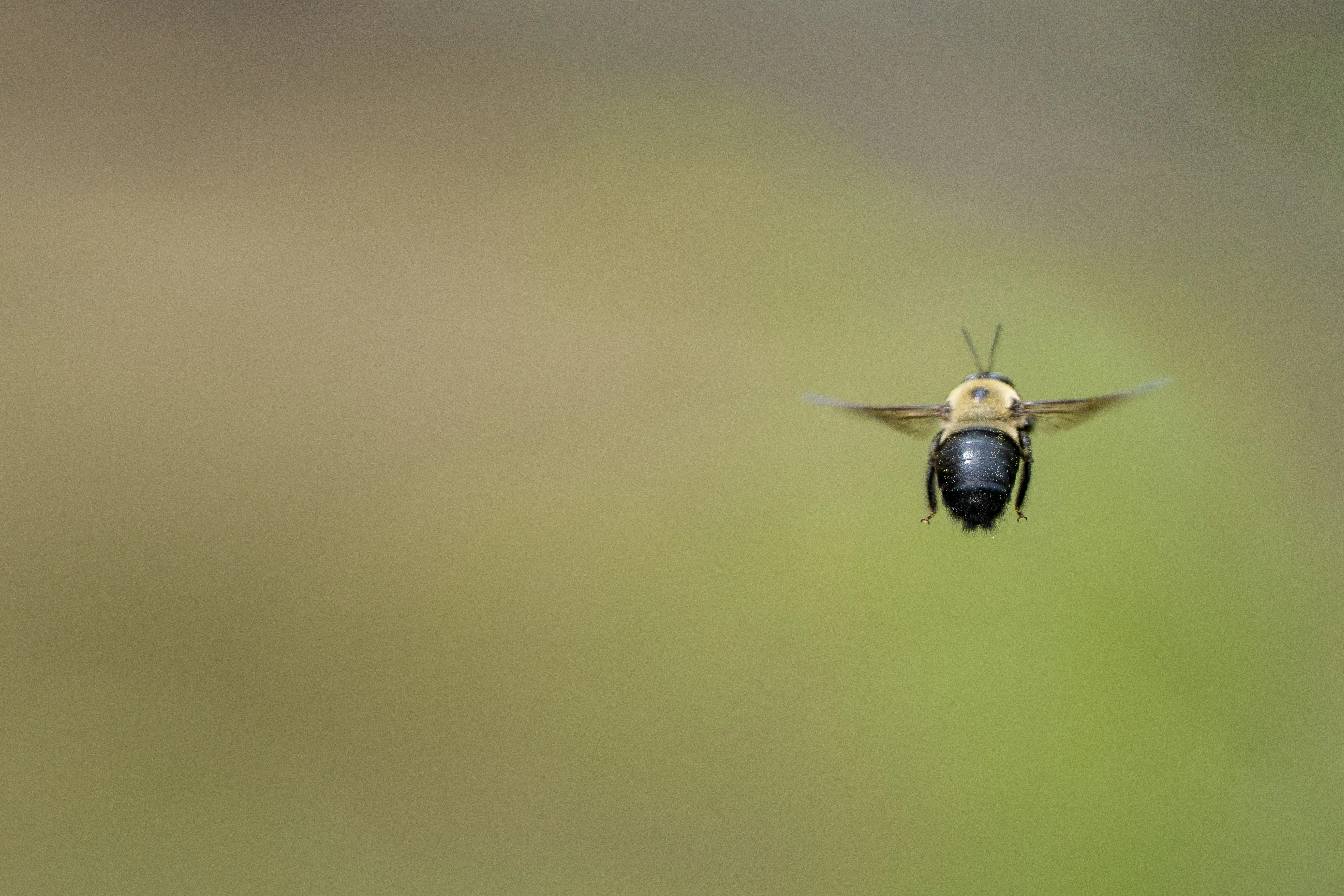
Drones get dismissed as freeloaders. The truth is stranger — a fatal mating flight and mysterious gathering spots no one can fully explain.