
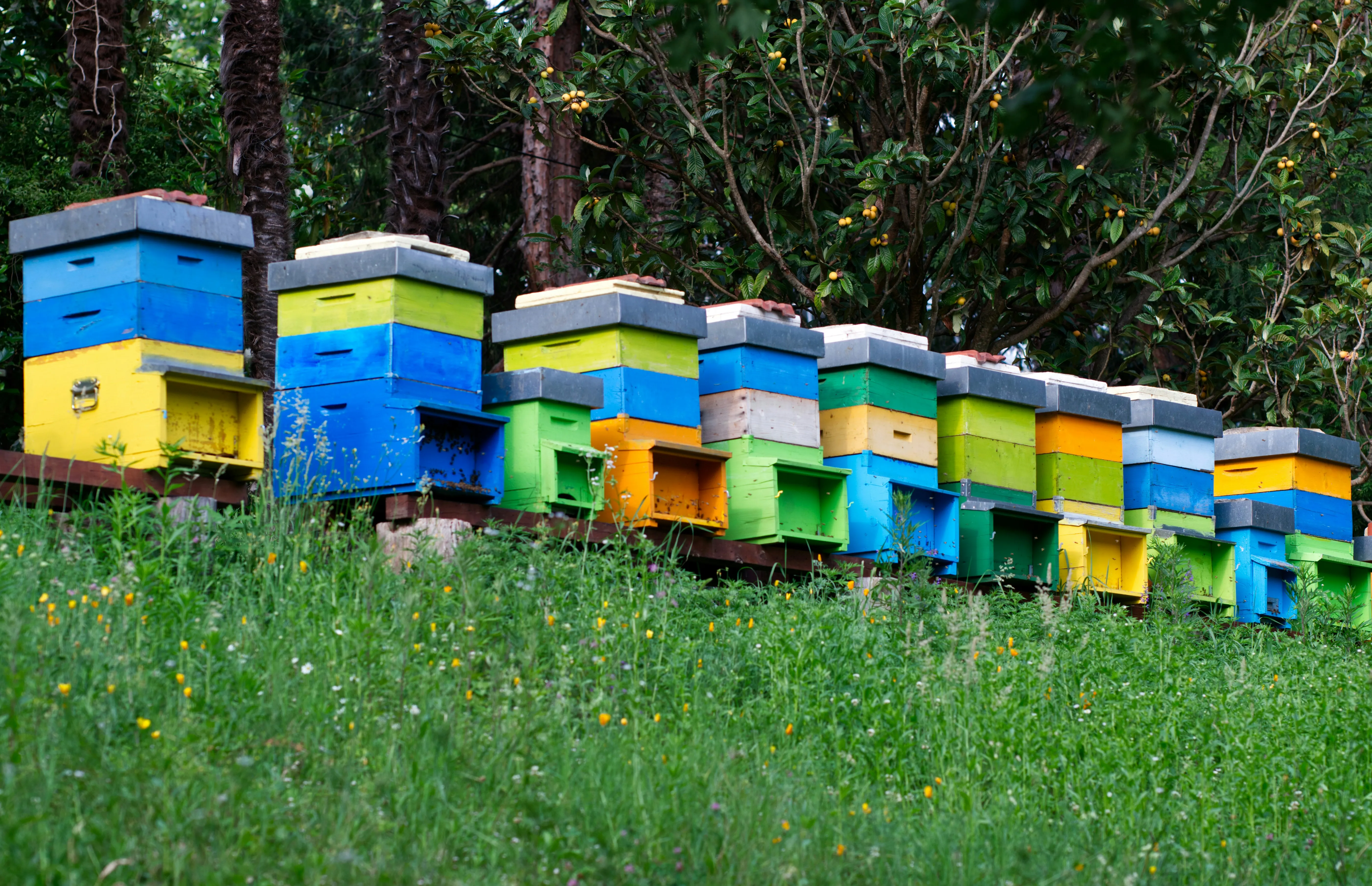
Rain Days
When weather grounds 50,000 bees, the colony turns inward. Rain days are when the hive does its most important domestic work.
- weather
- colony-behavior
- observation
- seasonal
Notes from the hives, fields, and seasons of Loudoun County.
When weather grounds 50,000 bees, the colony turns inward. Rain days are when the hive does its most important domestic work.
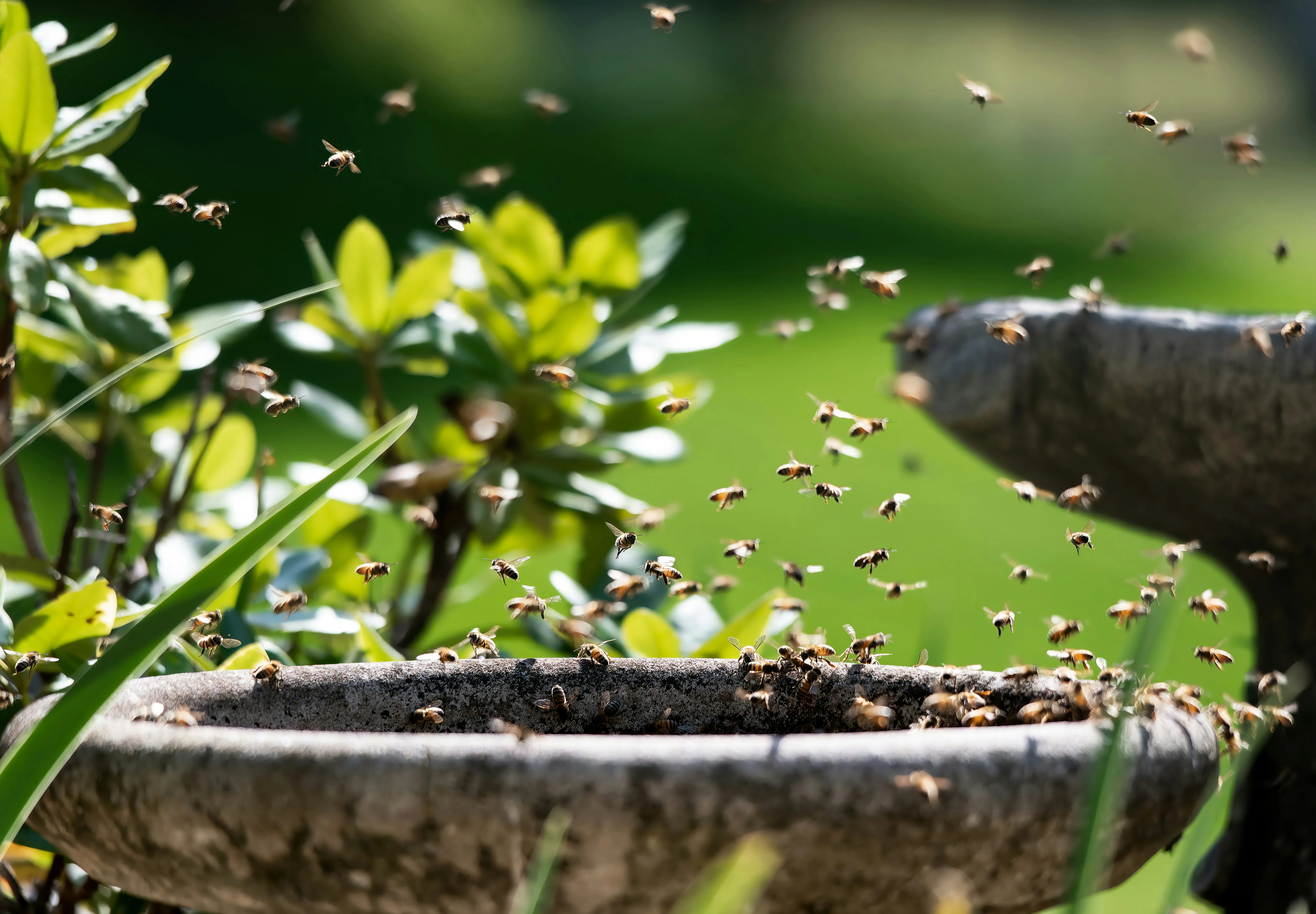
Some bees spend their entire foraging lives collecting water instead of nectar. They bring home nothing storable, and the colony cannot survive without them.
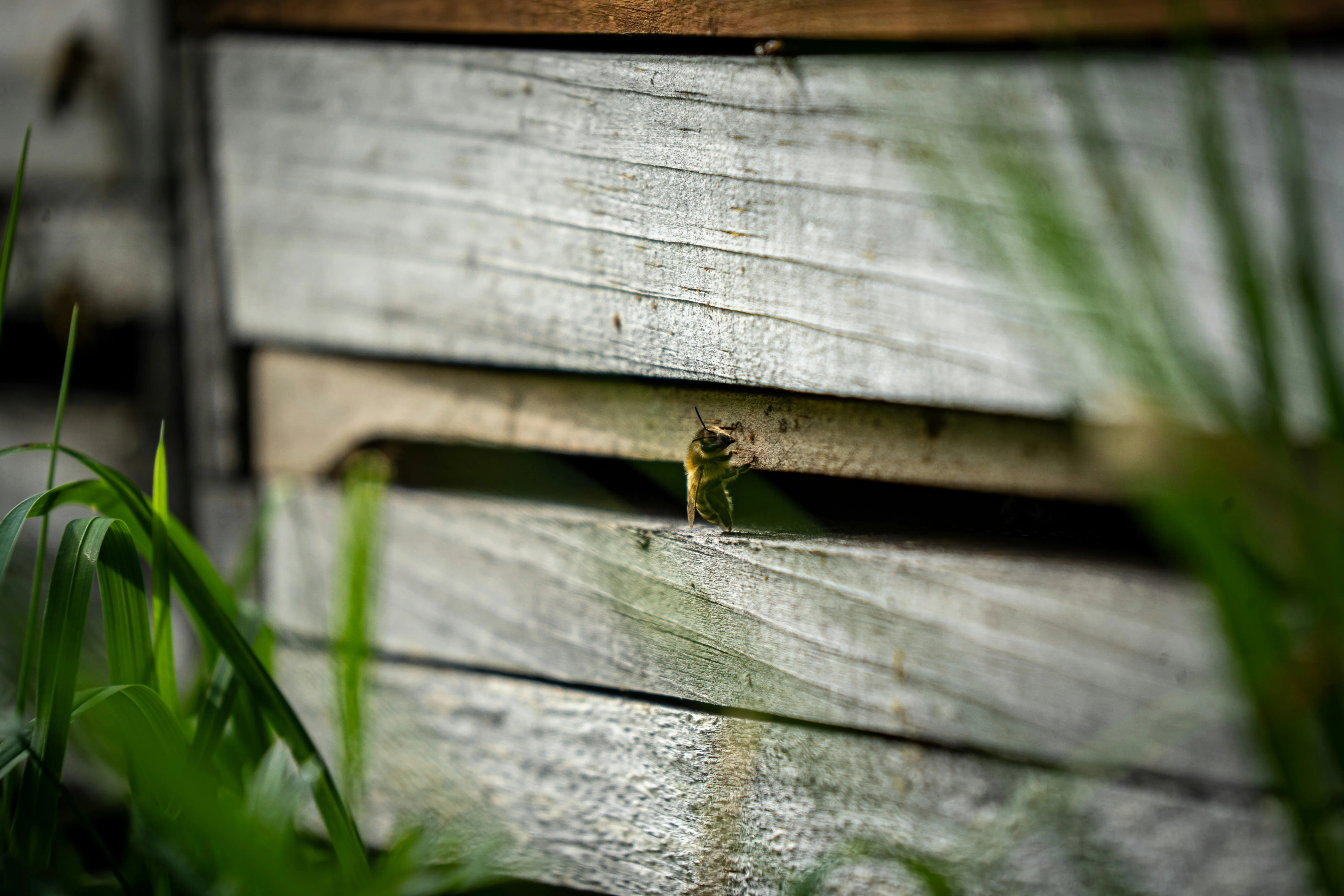
Ten minutes at the hive entrance can tell you more than a twenty-minute inspection. A field guide to what the bees are broadcasting.
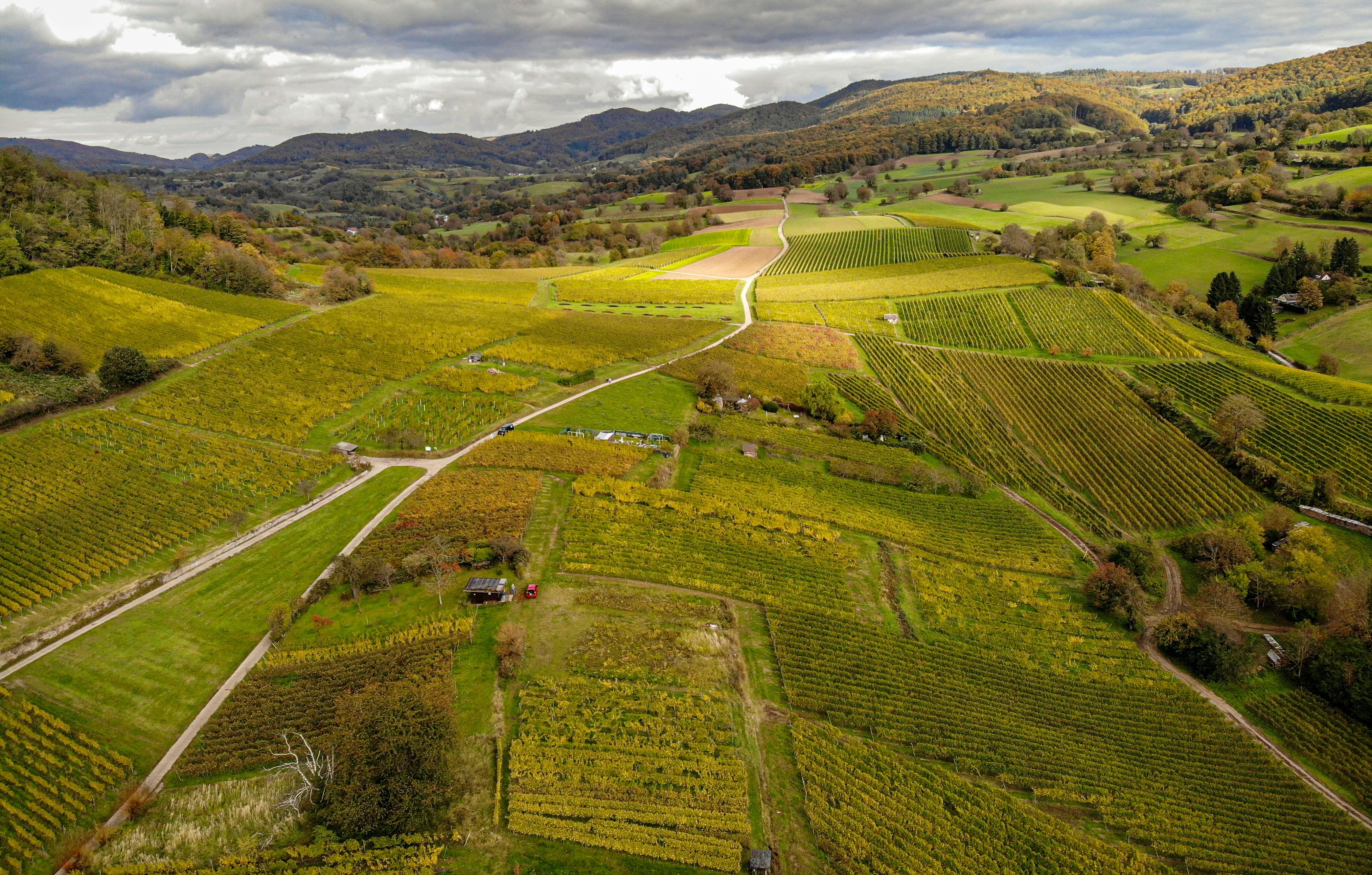
We drew a three-mile circle around our apiary and cataloged what is inside it. The landscape looks different when you read it as a bee.
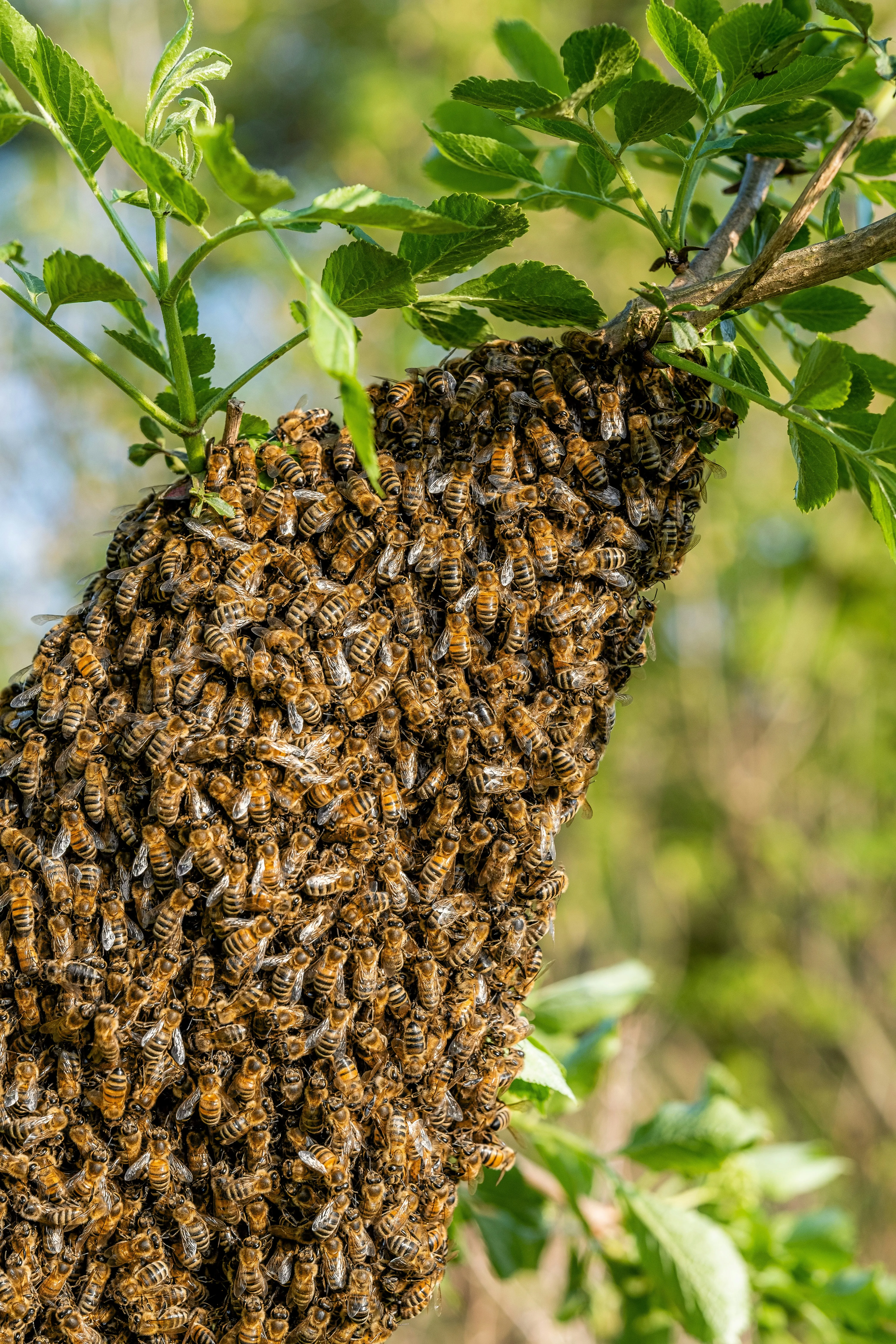
Swarming is not a failure. It is how honey bees have reproduced for millions of years — the highest expression of colony fitness.
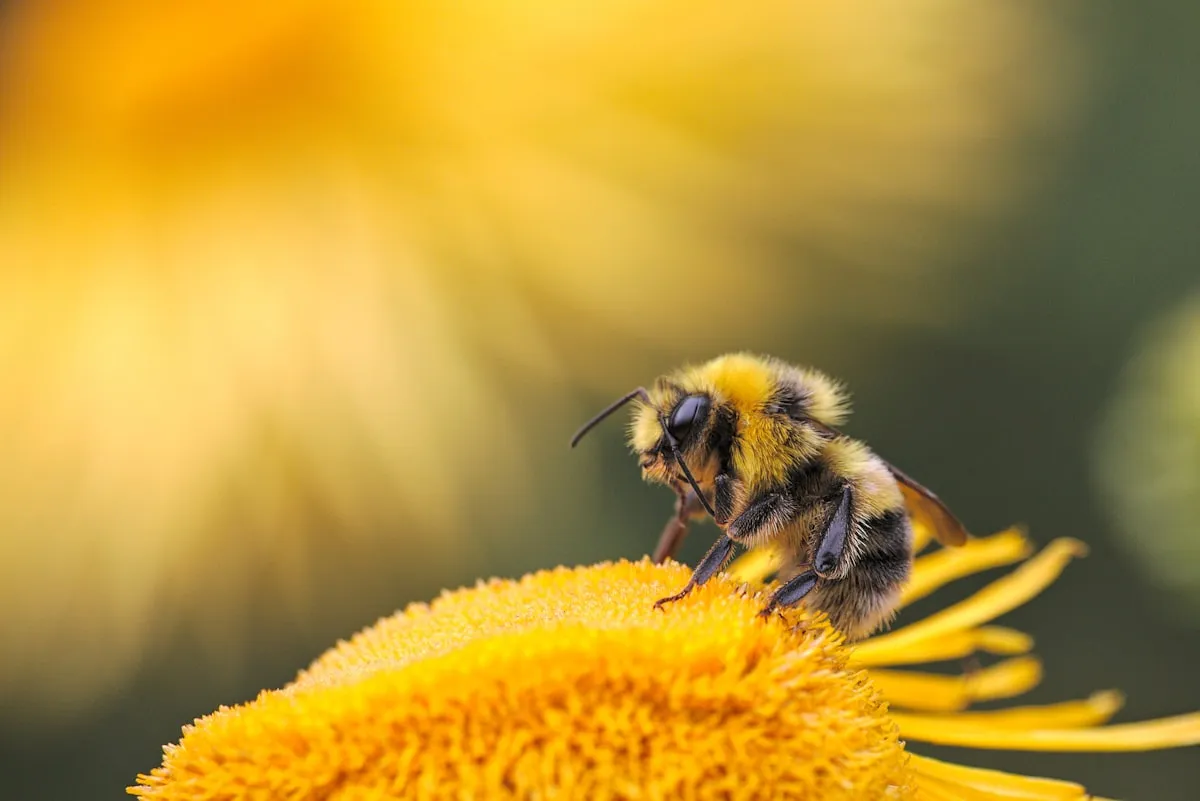
Each pollen load a forager carries is a specific color tied to a specific plant. Watching the landing board is like reading a botanical survey in real time.
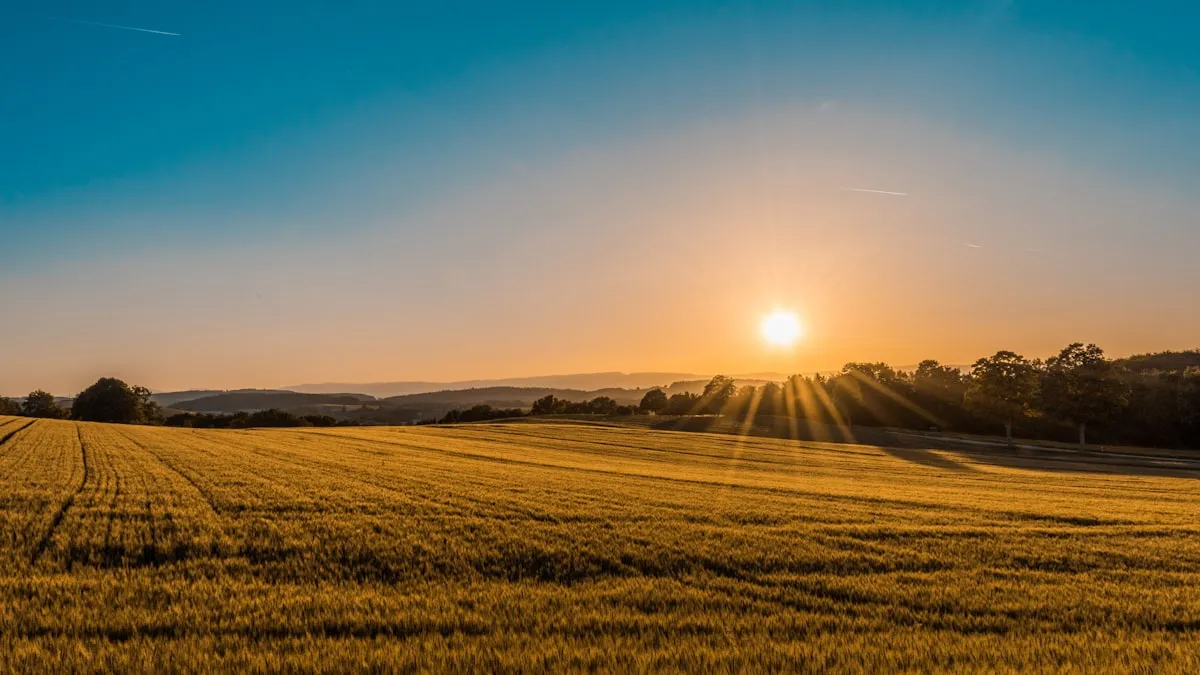
The months between November and April are the quietest and hardest in beekeeping. We write about the wait, the dread, and the first spring check.
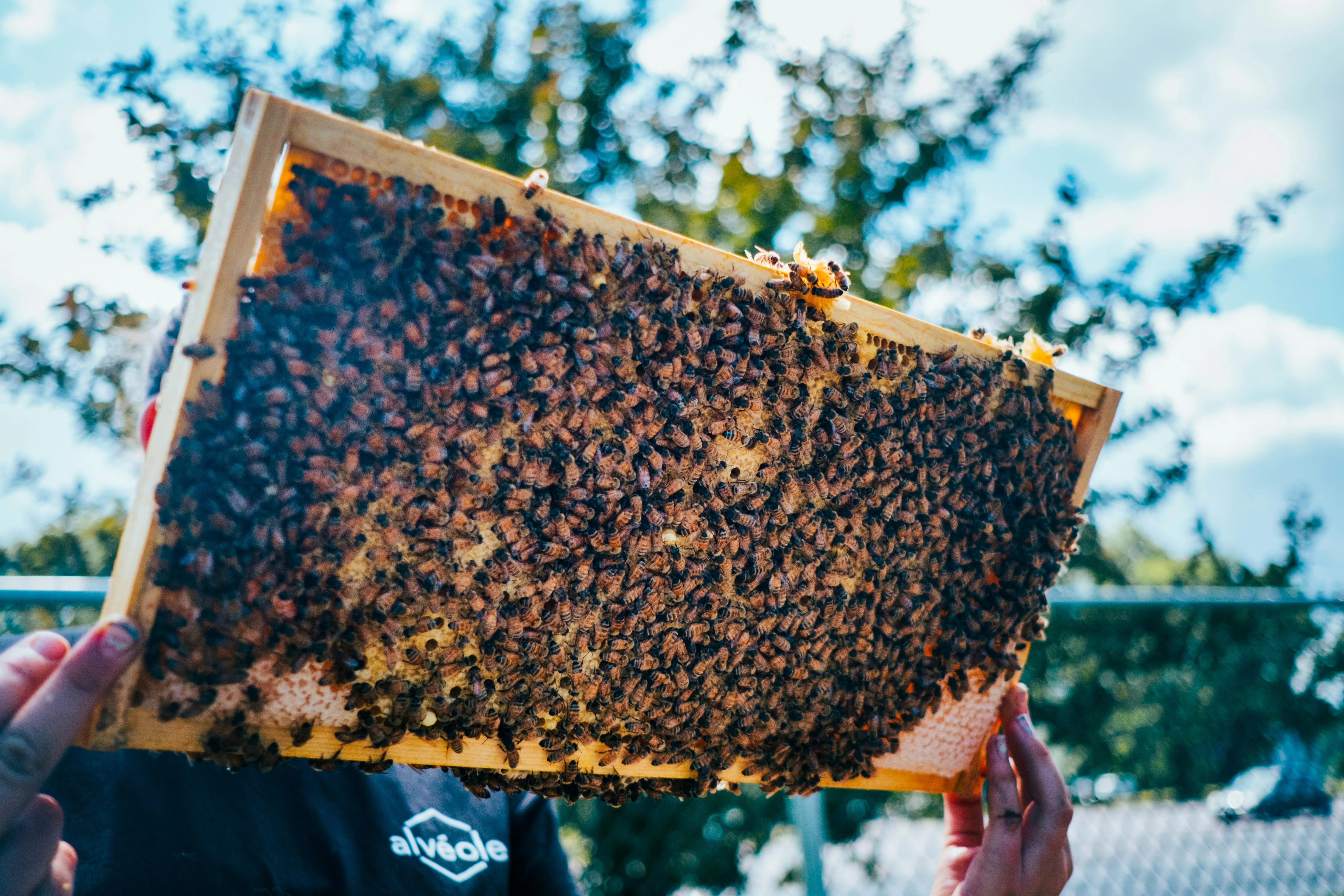
Most of what you need to know about a hive is available before you open it. The best diagnostic tool in beekeeping is patience.
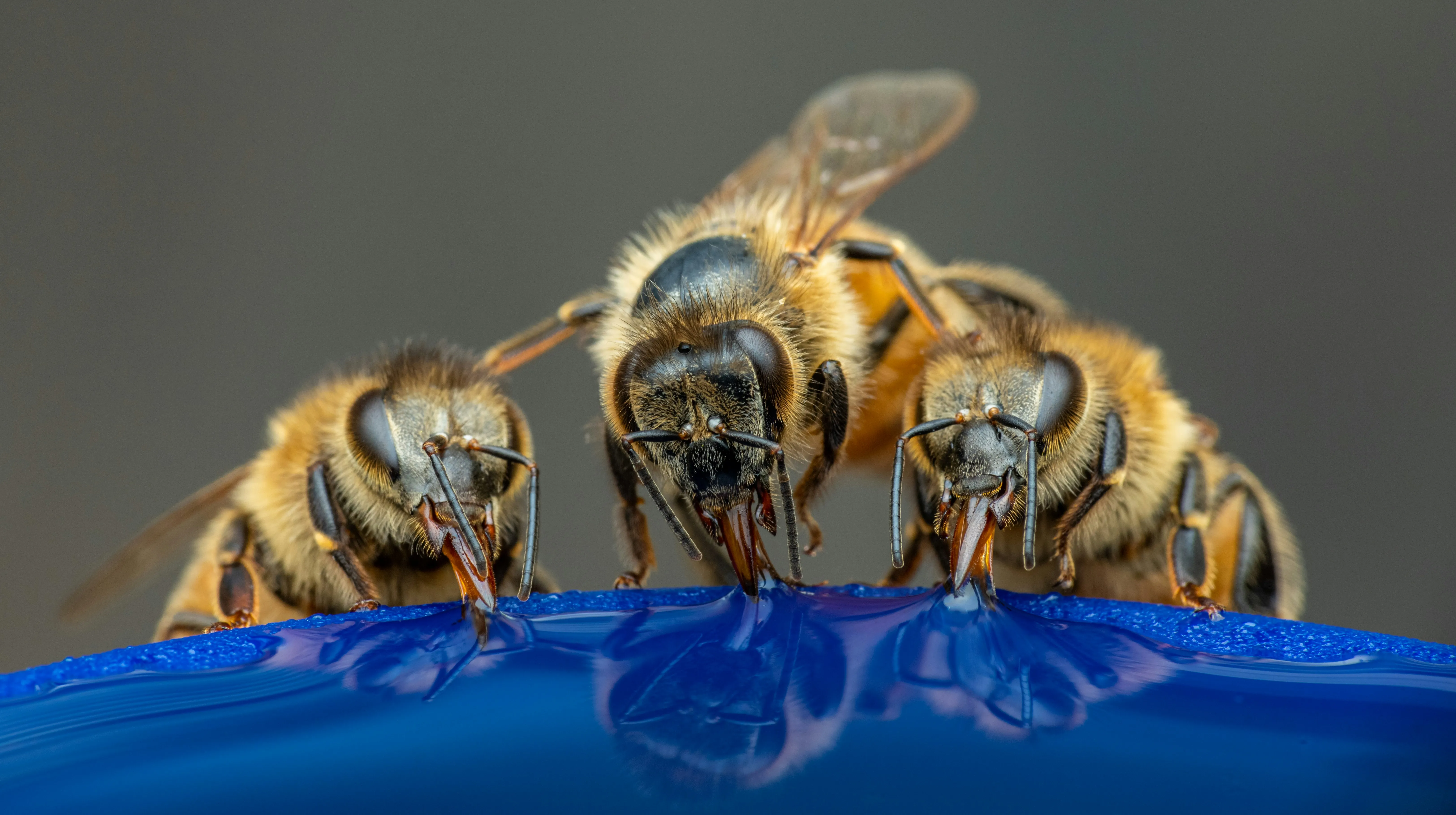
When does supplemental feeding cross from stewardship into life support? The chemistry, the mechanics, the calendar — and the question we keep circling.
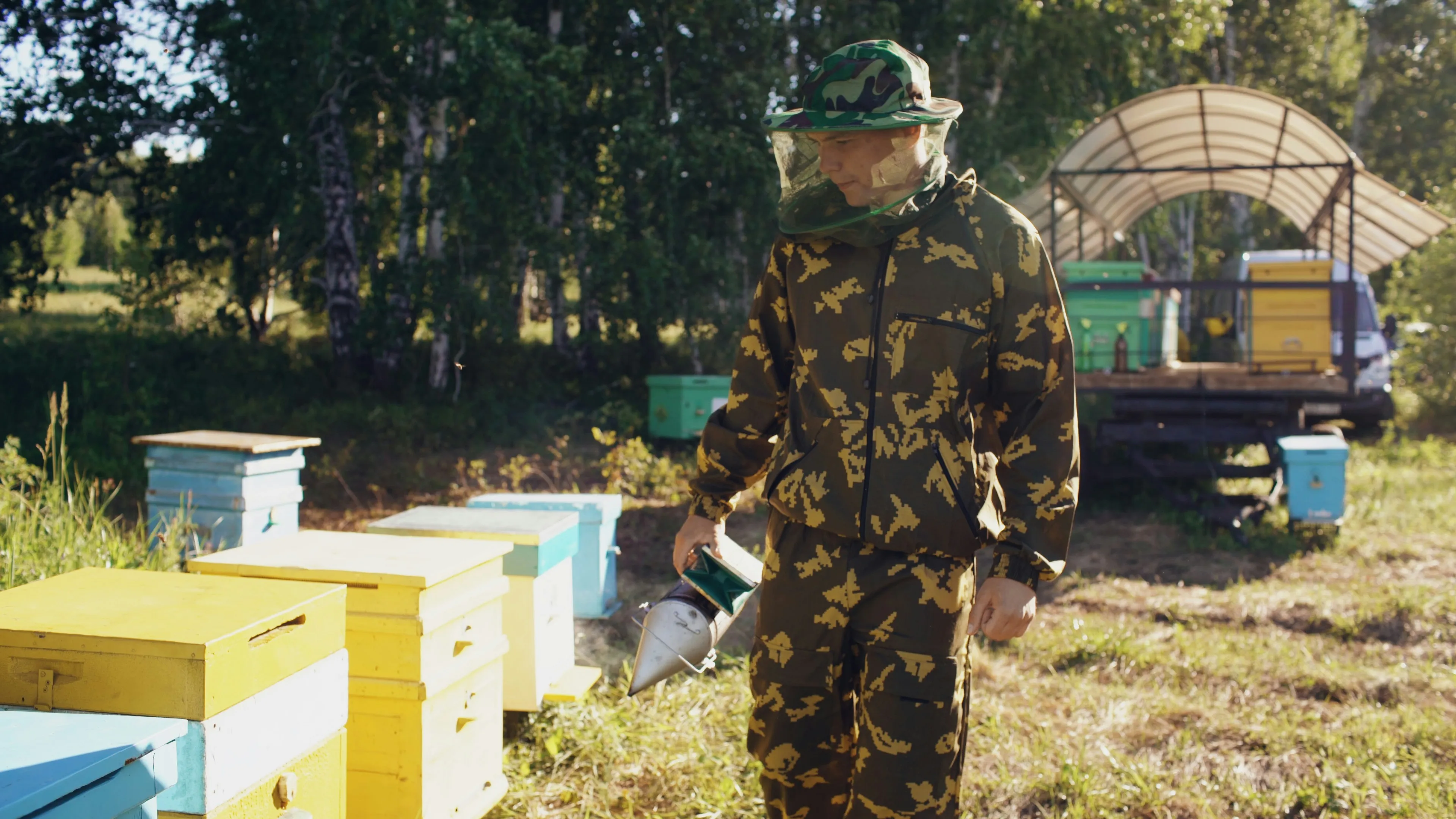
Two years of beekeeping mistakes — inspecting too often, missing a queenless hive, underestimating varroa, and losing our first colony to winter.