- beginnings
- philosophy
Why We Started Keeping Bees
We moved to a poplar forest and asked how we could support what was already growing here. Pollination was the answer.
When we moved to the forest outside Leesburg, we spent a lot of time just walking the property. Tulip poplars everywhere — some of them a hundred feet tall. Oaks, maples, wild cherry. It was beautiful, but we kept asking ourselves the same question: what can we do to support what’s already growing here?
We started reading about forest ecology, nutrient cycling, soil health. But the thing that kept coming up was pollination. A healthy pollinator population doesn’t just help the wildflowers — it strengthens the entire understory, improves fruit and seed set in the canopy trees, and supports the insects and birds that depend on all of it.
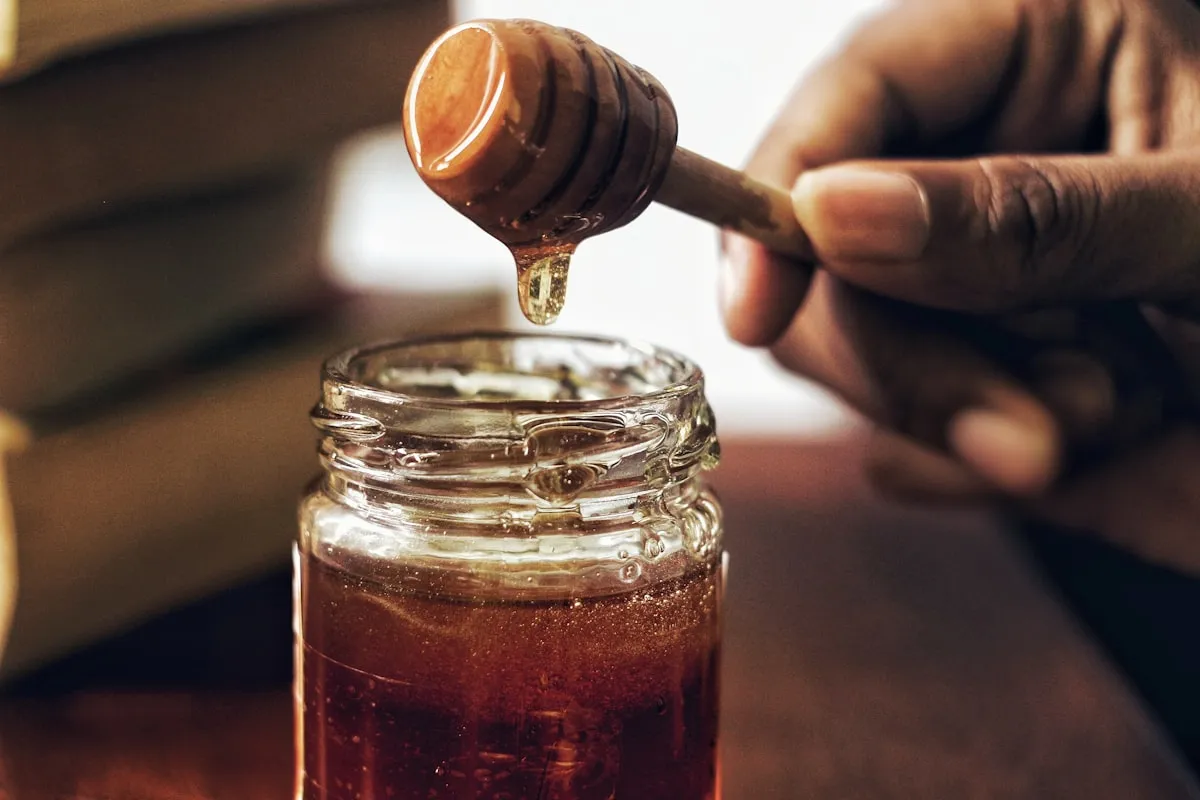
Increasing pollination felt like one of the most immediate, tangible ways to give back to the land we’d just moved onto. And honeybees, it turned out, were a way to do that while learning something extraordinary in the process. (It also turns out they make really good honey.)
We liked the idea of being connected to something seasonal and local — something that would make us pay attention to what’s blooming, what the weather is doing, what the land around us is actually up to. Beekeeping seemed like the kind of thing that sounds romantic until you’re standing in a cloud of ten thousand bees with a smoker that won’t stay lit. But we kept coming back to it.
We ordered a package and a nuc. They’d arrive in the spring.
We’re not experts. Beekeeping is one of those things where the more you learn, the more you realize you don’t know much. Every experienced beekeeper we’ve talked to says some version of the same thing: “The bees will teach you.”
Two years in, we’re starting to understand what they mean. Each hive has its own personality. Hive 1 is calm enough to work without gloves. Hive 2 lets you know when you’ve overstayed your welcome. The swarm we caught last summer builds wild, curvy comb that doesn’t follow the foundation at all.
We started this journal mostly for ourselves — to keep track of what worked, what didn’t, and what we want to try next season.
We sell what the bees don’t need. Interested in trying some? Drop us a line.