New
Propolis: The Hive's Medicine Cabinet
Tree resins, bee enzymes, and an antimicrobial envelope most beekeepers scrape away. We stopped scraping.
- propolis
- hive-health
- bee-biology
- beekeeping-practice
Leesburg, Virginia
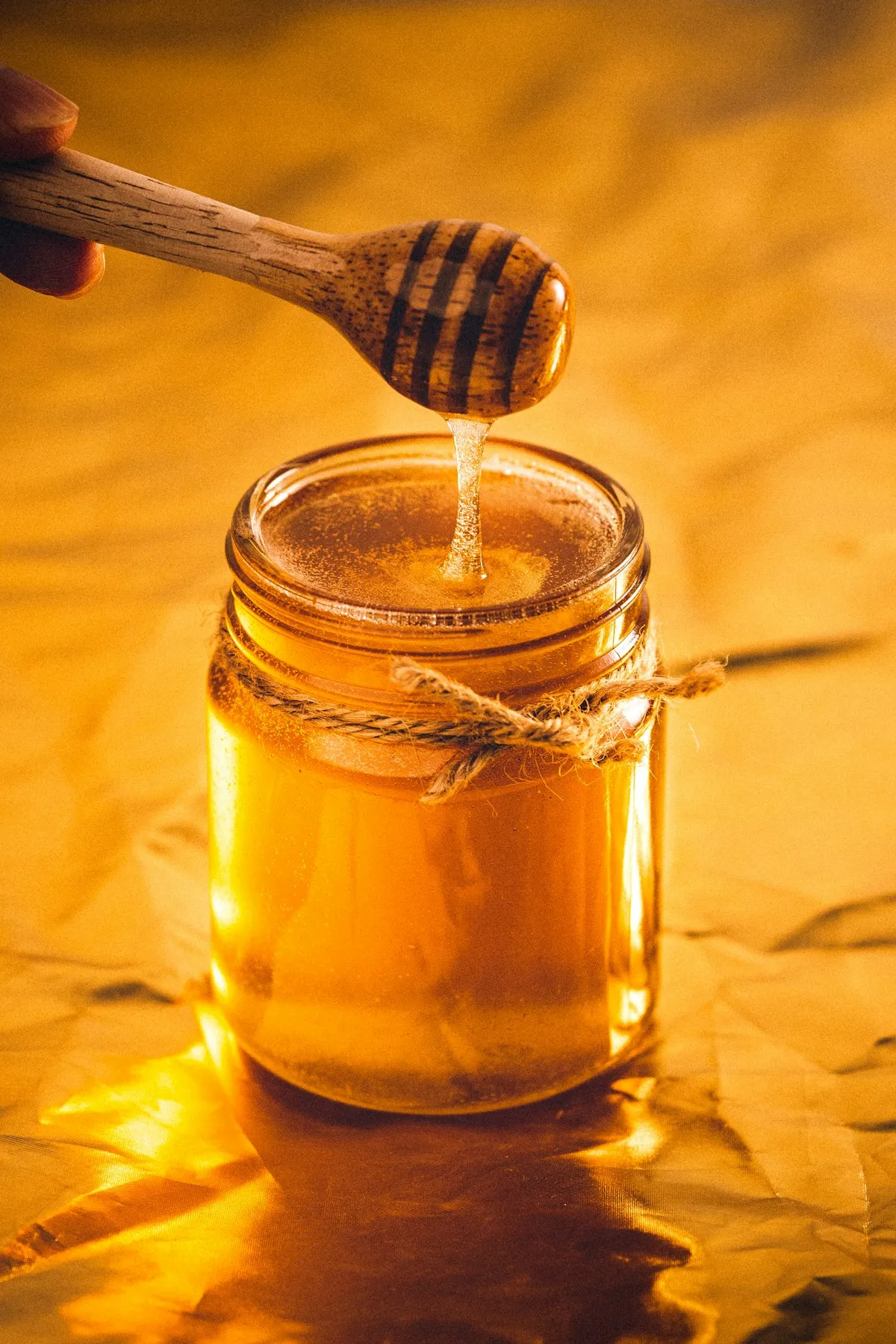
Raw, unfiltered honey from our apiary in a forest of hundred-foot tulip poplars in western Loudoun County. Available seasonally.
“We moved to the forest and asked ourselves: what’s the best thing we can do for this land?”
Increasing pollination was the answer. A few hives later, we’re still learning something new every season. This site is where we write it down.
When hundred-foot poplars bloom in late spring, our bees work them from sunrise to dark. Poplar honey is dark, rich, and hard to find in stores.
Orchards in spring, clover and blackberry in summer, goldenrod in fall. Each harvest tastes different depending on what was blooming.
Strained through a coarse mesh to catch wax, then straight into jars. Never heated, never blended, never pasteurized.
Tree resins, bee enzymes, and an antimicrobial envelope most beekeepers scrape away. We stopped scraping.
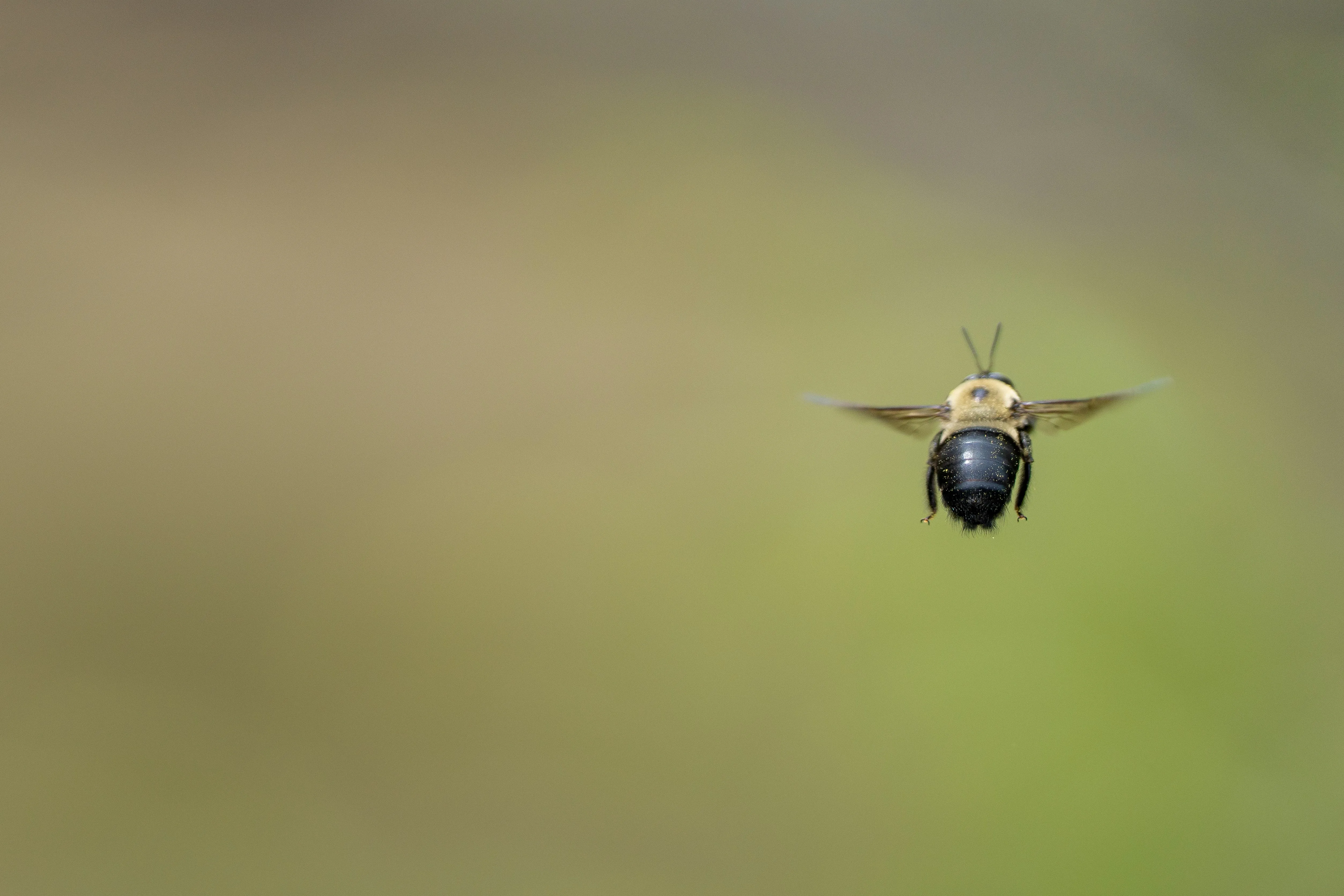
Drones get dismissed as freeloaders. The truth is stranger — a fatal mating flight and mysterious gathering spots no one can fully explain.
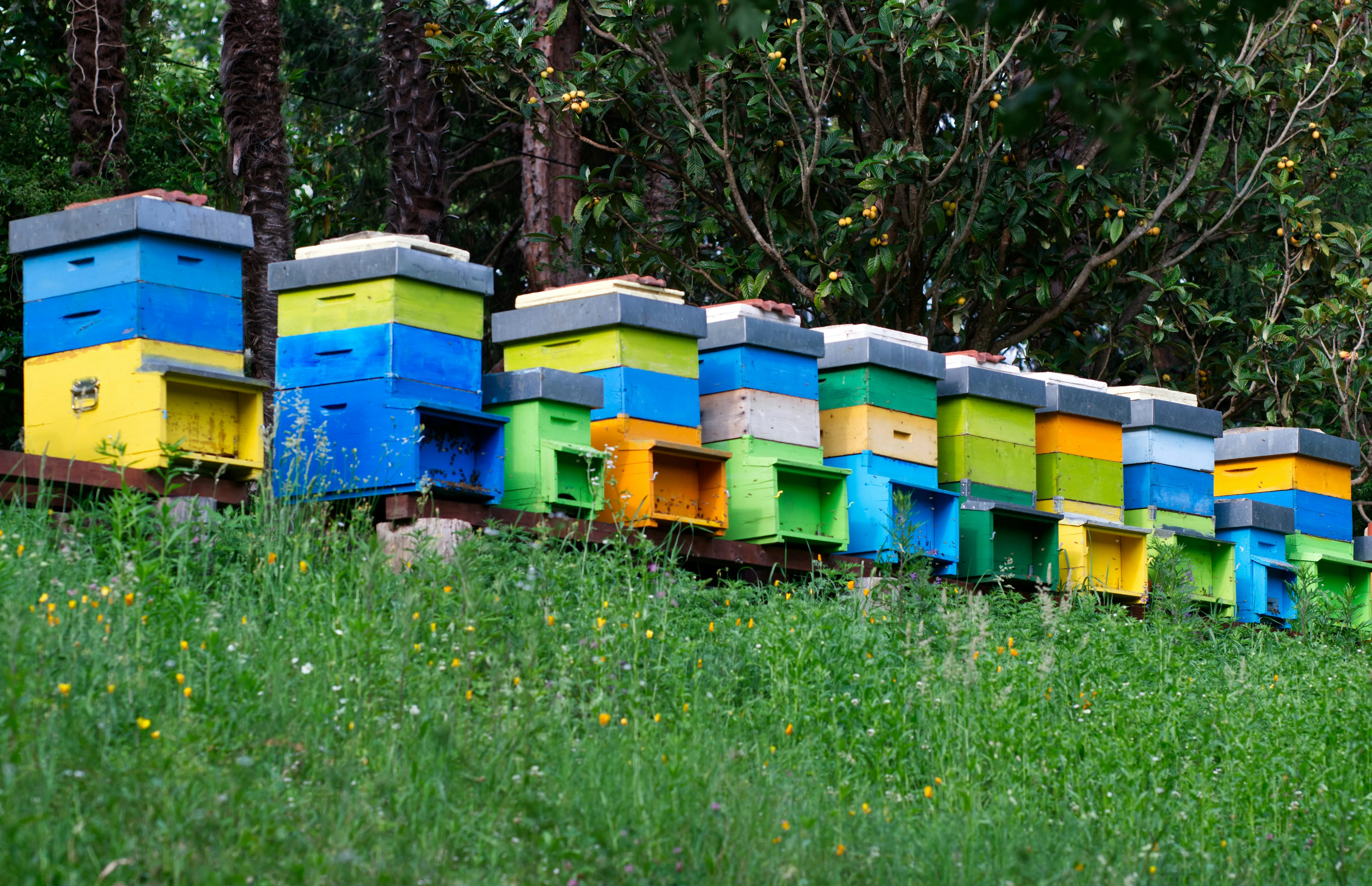
When weather grounds 50,000 bees, the colony turns inward. Rain days are when the hive does its most important domestic work.
Our apiary sits in a stand of tulip poplars outside Leesburg. What blooms around us — poplars, orchards, clover, blackberry, goldenrod — ends up in the honey. Each season tastes different.
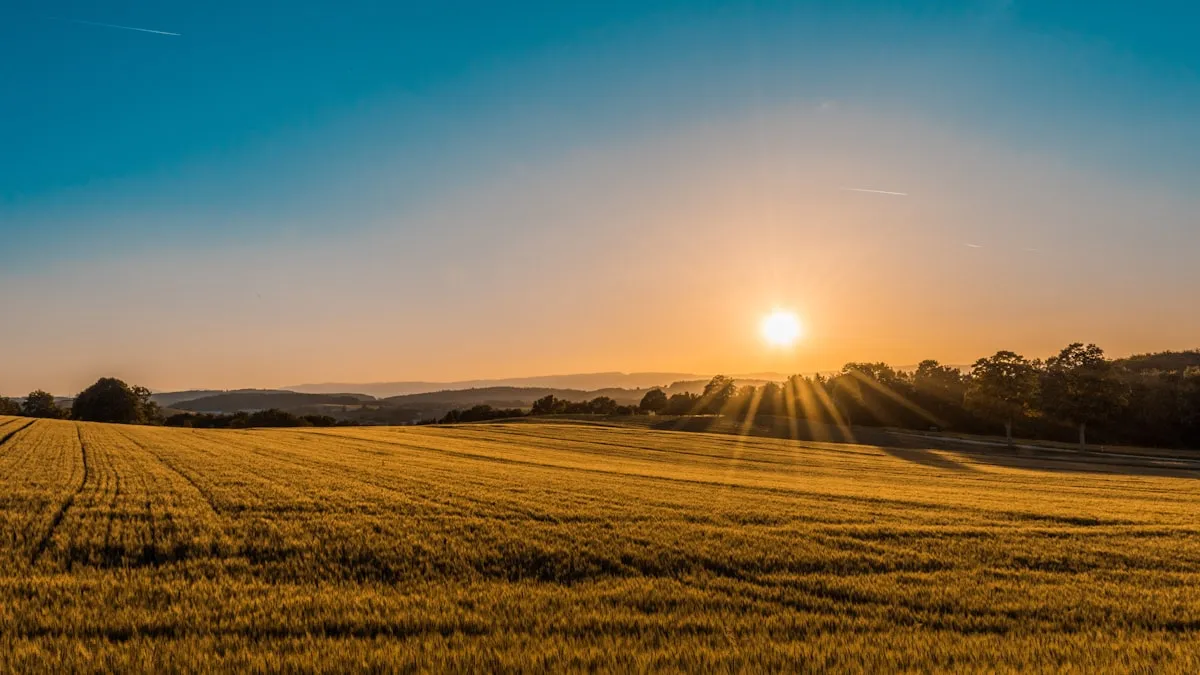
Purcellville · Lovettsville
Round Hill · Hamilton
Seasonal updates, new journal entries, and the occasional harvest report. No spam — just notes from the apiary.
By subscribing, you agree to receive occasional emails about our apiary. Unsubscribe anytime. Privacy policy.